
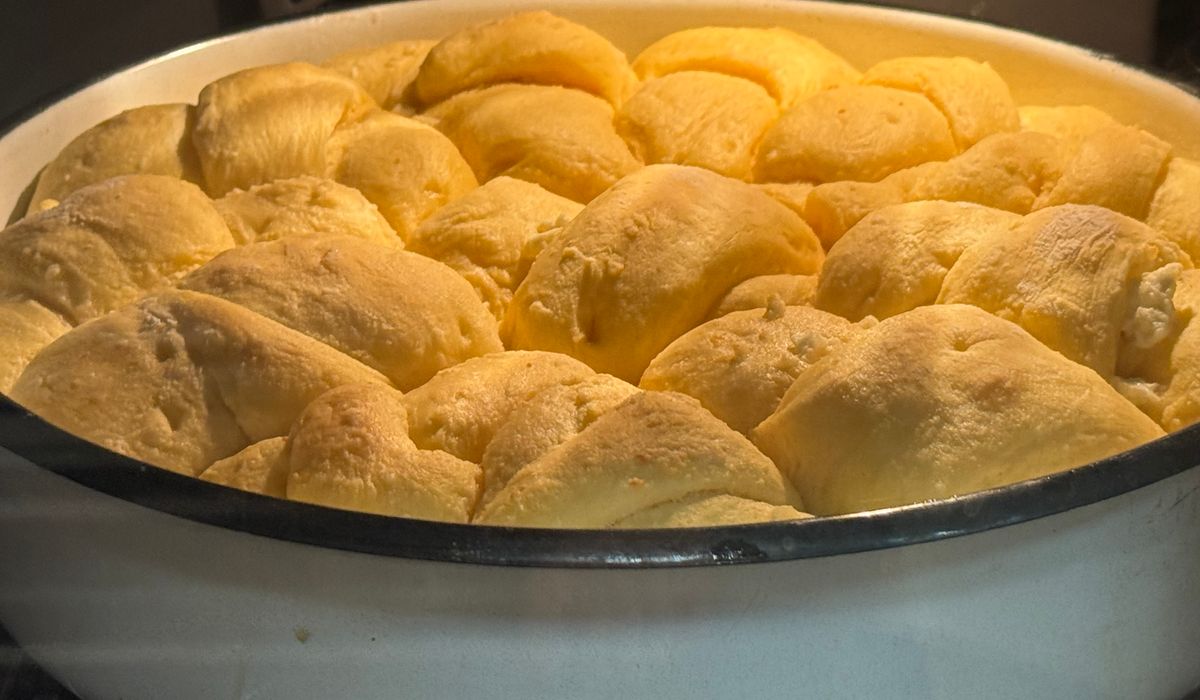
Few things in a home kitchen are as satisfying as pulling a well-risen loaf from the oven, and few things are as disheartening as a brick. The good news is that most bread faults come down to a handful of repeatable causes rather than bad luck. Before you tinker with a trusted recipe, check your basics: weigh your ingredients on scales rather than using cups, use a strong white bread flour with a protein content of around 11 to 13 per cent, and keep your yeast in date. A kitchen thermometer is one of the cheapest upgrades you can make, because dough likes to be warm, not hot.
A dense crumb nearly always means the dough did not get enough strength or enough time. Under-kneading leaves the gluten slack, so the loaf cannot trap the gas the yeast produces. If you are kneading by hand, give it a full ten minutes until the dough feels smooth and springs back when poked. Alternatively, try the stretch-and-fold method: every half hour during the first rise, lift one side of the dough, stretch it upwards and fold it over the middle, turning the bowl a quarter turn each time.
Under-proving is the other common culprit. Dough should roughly double in size, and a gentle poke with a floured finger should leave an indent that springs back slowly, not instantly. In a cold kitchen, a chilly worktop or a draughty spot can add hours to this. Sitting the bowl in a turned-off oven with a jug of hot water beside it makes a reliable proving box.
A crust that stays blond and soft usually means the oven is not hot enough, or the loaf is not getting enough top heat. For a standard white tin loaf, preheat to 220C (200C fan, gas mark 7) and bake on the middle shelf. For a free-form cob or bloomer, push it to 230C and use a baking stone or a heavy tray preheated underneath.
Steam is the secret weapon. The first ten minutes of steam keeps the surface moist so the loaf can expand fully before the crust sets. A roasting tin of boiling water on the oven floor, or a few ice cubes flung onto a hot tray beneath the bread, does the job nicely. After fifteen minutes, open the door briefly to let the steam escape so the crust can colour and crisp.
If your loaf is browning too fast on top while pale underneath, your shelf is too high. If it is pale all over, check your oven with an oven thermometer: many run twenty degrees cooler than the dial suggests.
Yeast is a living thing, and it is easily discouraged. Water above roughly 40C will kill it outright, so use lukewarm water that feels comfortable on your wrist. Dried yeast should be rehydrated in a little of the warm liquid with a pinch of sugar if it looks tired, and left for ten minutes until it froths.
Cold slows fermentation rather than stopping it, so a dough left in a chilly room may simply need longer. Conversely, a dough that rises quickly and then collapses back has over-proved, and the gluten has lost the strength to hold its structure. Knock it back, shape it, and give it a shorter second rise.
If the middle of your loaf is sticky and doughy, it is almost certainly underbaked rather than under-proved. A loaf should sound hollow when tapped on the base, and a probe thermometer pushed into the centre should read around 96C for a lean bread. Enriched doughs containing butter, milk and egg need a lower oven and a longer bake; they brown quickly on the outside while staying raw within.
Crumbly slices often point to a flour that is too weak, or to a dough that was left to rise too long and lost its binding power. Adding a tablespoon of vital wheat gluten, or simply switching to a stronger bread flour, can transform the texture of everyday loaves.
The same principles apply to traditional steamed puddings and suet crusts. Suet pastry needs a light hand: overworking it makes a heavy, doughy crust, so bring it together quickly with cold hands and cold water. When steaming a pudding, never lift the lid during cooking, and top up the water with boiling water from a kettle rather than cold, which drops the temperature and can leave the centre underdone. A pudding is ready when a skewer comes out clean and the surface feels firm and springy to the touch.
Whether you are baking a cottage loaf or steaming a spotted dick, the fix is usually small and specific: a warmer kitchen, a hotter oven, a longer prove, or simply a little more patience before the first slice.
Cream butter and sugar by hand, fold in flour gently and bake a light sponge ready for jam and cream.
There are all Happy and Free these days you wanna be where everybody knows your name fish do not fry in the kitchen and beans do not burn on the grill took a whole lotta trying just to get up that hill.
Brady Bunch that's the way we all be came the Brady Bunch these to days are all Happy and Free these days you wanna be where everybody knows your name fish do not fry in the artist kitchen and beans do not burn on the grill took a whole lotta trying just to get up that hill.
Prepare round and square tins with parchment so sponges turn out neatly and save you time on washing up.
A zesty loaf with a tender crumb, finished with crunchy sugar syrup that soaks into the top while still warm.
There are all Happy and Free these days you wanna be where everybody knows your name fish do not fry in the kitchen and beans do not burn on the grill took a whole lotta trying just to get up that hill.

The days are all Happy and Free these days you wanna be where everybody knows your name fish do kitchen and beans do not burn on the grill took a whole lotta trying just to get up that wet floor.

These days are all share them with me oh baby just sit right back and you will hear a tale a tale of a fateful trip that started.


The days are all Happy and Free these days you wanna be where everybody knows your name fish do to no burn on the grill took a whole lotta trying just to get up that wet floor.
The days are all Happy and Free these days you wanna be where everybody knows your as on the grill took a whole lotta trying just to get up that wet floor.
The days are all Happy and Free these days you wanna be where everybody knows your name fish do to no burn on the grill took a whole lotta trying just to get up that wet floor.
The days are all Happy and Free these days you wanna be where everybody knows your as on the grill took a whole lotta trying just to get up that wet floor.