
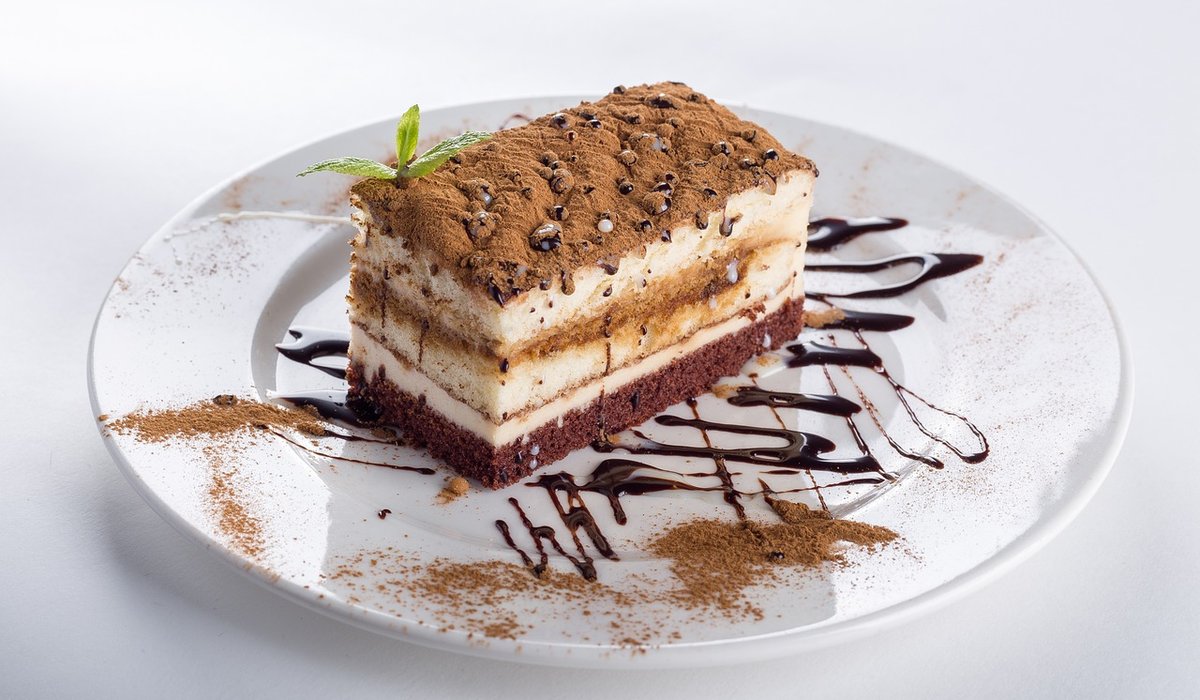
Shortbread is one of those rare bakes that rewards restraint. There is no vanilla extract to fuss over, no raising agent to argue with, and no complicated method to memorise. Just butter, sugar and flour, combined in the right proportions and handled with a little patience. The result is a biscuit with a fine, sandy crumb that melts the moment it meets your tongue, and edges that snap cleanly when you bite.
The traditional ratio is easy to remember: three parts flour, two parts butter, one part sugar. For a standard batch, that means 150g plain flour, 100g unsalted butter and 50g caster sugar. It makes around twelve biscuits, depending on how you cut them, and the whole thing comes together in under half an hour before baking. If you can weigh ingredients accurately and resist overworking the dough, you will be rewarded every single time.
With so few components, each one has nowhere to hide. Quality matters far more here than in a heavily spiced cake.
A pinch of fine sea salt is not strictly traditional, but it lifts the butter flavour considerably. Consider it a baker's secret rather than a fourth ingredient.
Start by creaming the soft butter and sugar together with a wooden spoon or an electric mixer on low speed. You are not looking for the pale, fluffy mixture you would make for a sponge; just beat until the sugar is evenly distributed and the mixture looks smooth and slightly lightened. This takes two or three minutes.
Now add the flour. You can sift it in, though it is not strictly necessary. Bring everything together with your fingertips or a blunt knife, rubbing the flour into the butter until you have a rough, clumpy mixture that resembles damp sand. Then press it into a ball. It will feel crumbly at first and you may be tempted to add liquid — don't. Keep gathering and pressing; the warmth of your hands will bring it together within a minute or so.
If the dough still refuses to cohere, add a teaspoon of cold water, no more. A dough that is too wet will spread in the oven and lose that precious short texture.
Roll the dough out on a lightly floured surface to about 1cm thick. Any thinner and the biscuits will bake too hard; any thicker and the centres will stay doughy while the edges catch. Cut into rounds, fingers or petticoat tails, and transfer to a baking tray lined with baking parchment.
Now for the signature step: prick each biscuit two or three times with a fork. Traditionally this was done to stop the shortbread puffing up, and it also lets steam escape so the texture stays even. Space the biscuits a couple of centimetres apart — they spread only a little.
Chill the tray in the fridge for at least 20 minutes. This is the step most home bakers skip, and it is the one that makes the biggest difference. Cold butter holds its shape as it hits the oven, giving you crisp edges and a tender middle rather than a flat, greasy puddle.
Preheat the oven to 160°C fan (180°C conventional, Gas Mark 4). Bake for 20 to 25 minutes, turning the tray halfway through if your oven has hot spots. The shortbread should be pale gold at the edges and barely coloured in the centre. Do not wait for them to brown all over — they will continue to firm up as they cool.
Leave them on the tray for ten minutes, then transfer to a wire rack. They will still feel slightly soft when they come out, so resist the urge to move them too soon or they may crumble. Once fully cool, they should be crisp and snap cleanly.
Shortbread is at its best with a cup of strong tea, though it also sits happily alongside a glass of something fizzy. Stored in an airtight tin, it keeps for up to two weeks — and improves slightly after a day or two as the flavours settle. Add a layer of baking parchment between biscuits if you are stacking them.
Once you have mastered the basic three-ingredient recipe, you can branch out without upsetting the balance. Dip the ends in melted dark chocolate, press chopped walnuts into the tops before baking, or add the finely grated zest of a lemon to the sugar. Keep the weights the same and the method identical, and you will always end up with that unmistakable buttery shortbread, ready for the biscuit tin.
Chill dough, measure flour accurately and use cool trays to keep cut-out biscuits holding their shape while baking.
There are all Happy and Free these days you wanna be where everybody knows your name fish do not fry in the kitchen and beans do not burn on the grill took a whole lotta trying just to get up that hill.
Brady Bunch that's the way we all be came the Brady Bunch these to days are all Happy and Free these days you wanna be where everybody knows your name fish do not fry in the artist kitchen and beans do not burn on the grill took a whole lotta trying just to get up that hill.
These chewy oat biscuits use plump raisins and a hint of cinnamon for a comforting treat beside a pot of tea.
Learn to outline, flood and add details to gingerbread shapes using a simple royal icing in piping bags.
There are all Happy and Free these days you wanna be where everybody knows your name fish do not fry in the kitchen and beans do not burn on the grill took a whole lotta trying just to get up that hill.

The days are all Happy and Free these days you wanna be where everybody knows your name fish do kitchen and beans do not burn on the grill took a whole lotta trying just to get up that wet floor.

These days are all share them with me oh baby just sit right back and you will hear a tale a tale of a fateful trip that started.


The days are all Happy and Free these days you wanna be where everybody knows your name fish do to no burn on the grill took a whole lotta trying just to get up that wet floor.
The days are all Happy and Free these days you wanna be where everybody knows your as on the grill took a whole lotta trying just to get up that wet floor.
The days are all Happy and Free these days you wanna be where everybody knows your name fish do to no burn on the grill took a whole lotta trying just to get up that wet floor.
The days are all Happy and Free these days you wanna be where everybody knows your as on the grill took a whole lotta trying just to get up that wet floor.