
A proper savoury pie should reward you with a crisp, golden crust and a rich filling that holds together on the plate. Yet too many home bakes end up with a pale, damp base that steams rather than crisps. The good news is that a soggy bottom is rarely a mystery. It usually comes down to three things: the wetness of the filling, the heat of the filling when it meets the pastry, and whether steam can escape. Fix those and you can bake steak and ale, chicken and leek, or cheese and onion pies with confidence.
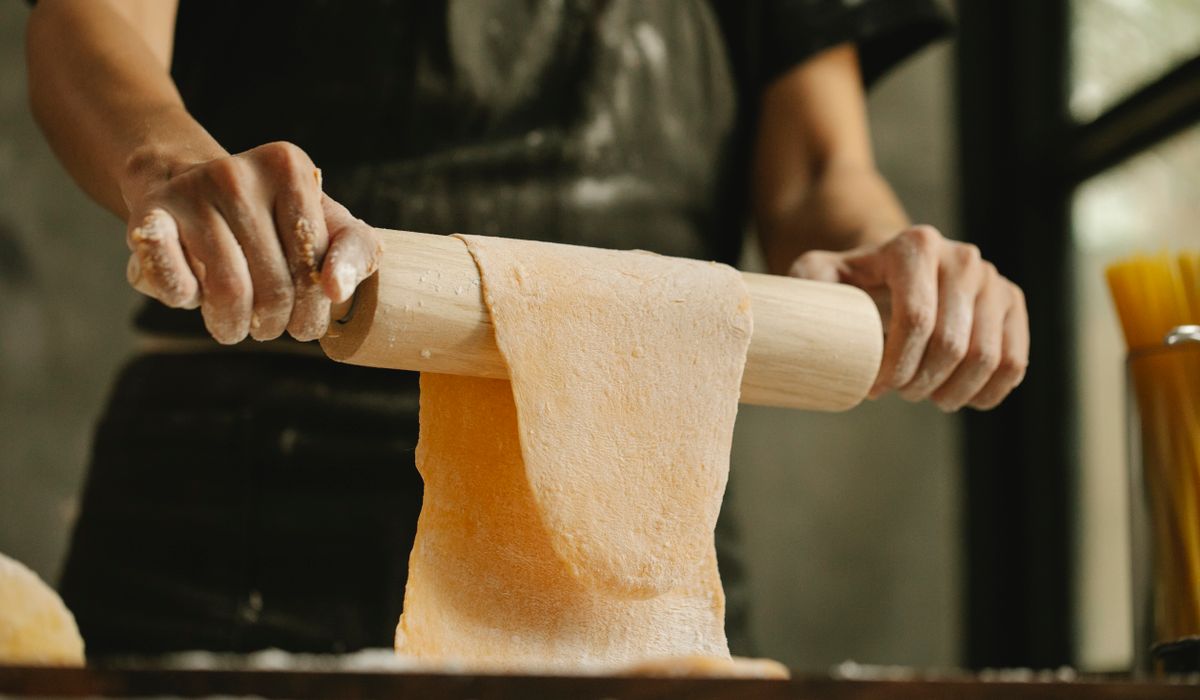
Shortcrust is the workhorse of British savoury pies, and it benefits from a little toughness. Use cold fat — half butter for flavour, half lard or vegetable shortening for flakiness — and rub it into plain flour until it looks like coarse breadcrumbs. Add iced water a tablespoon at a time, bringing the dough together with a knife or your fingertips. Stop as soon as it holds; too much water makes a pastry that wilts.
Rest the pastry wrapped in the fridge for at least 30 minutes. This relaxes the gluten and firms the fat, so the pastry shrinks less and bakes crisper. When lining the tin, press it into the corners without stretching. For a single-crust pie, chill again for 15 minutes before filling. If you are using a hot water crust, work quickly and keep the pastry warm; it is sturdy, but it still needs a hot oven to set.
Runny filling is the enemy of a crisp base. Thicken savoury fillings until they are glossy and reluctant to slide off a spoon. For a stew-based pie, toss diced beef or chicken in seasoned plain flour before browning. The flour catches the fat and later thickens the gravy. After adding stock, simmer uncovered until reduced, then check: a spoon drawn through the mixture should leave a trail that fills slowly.
If you are thickening at the end, use a slurry of cornflour or arrowroot. For 500ml of stock, start with 2 tablespoons of cornflour mixed with a little cold water, stir it in and bubble for two minutes. Cornflour gives a softer, glossier set; arrowroot is good for delicate fillings but breaks down if reheated hard. For pork or game pies served cold, a little powdered gelatine or leaf gelatine in the stock creates a firm jelly that slices cleanly. Always taste and season after thickening, as starch can dull flavours.
Remember that vegetables release water as they cook. Mushrooms, leeks, onions, and frozen peas are chief culprits. Cook them first to drive off moisture, or roast them, before they go anywhere near the pastry.
This is the step most home bakers rush. A hot filling sends steam upwards and downwards. The steam condenses on the cool pastry, and the base turns soft. Let your filling cool to room temperature, then chill it for at least an hour if you have time. It should be cold and set, not warm and loose. Cold filling also holds its shape when you spoon it in, leaving no watery gaps around the edges.
If you are short of time, spread the filling in a shallow dish and cool it over a bowl of iced water, stirring occasionally. Never pour hot filling directly into a pastry case, however tempting it smells.
A good seal stops juices leaking out of the sides and pooling under the base. Brush the rim of the pastry case with beaten egg or a little milk, then press the lid on firmly. Crimp the edges with your thumb and forefinger, or press with a fork, and trim any overhang. Go around twice if you are unsure; a double seal is better than a leak.
Cut two or three small slits in the lid, or make a neat hole in the centre with a knife. These vents let steam out of the top rather than trapping it underneath. For a large family pie, a small pastry funnel or a piece of macaroni inserted into the centre works well. Brush the top with egg wash for a burnished finish, but avoid letting wash run down the sides, as it can glue the lid to the tin.
Preheat the oven thoroughly — 200°C, 180°C fan, or gas mark 6 — and place a baking tray inside to heat. Sitting the pie tin on that hot tray conducts heat straight into the base, which is one of the simplest ways to avoid sogginess. Bake until the pastry is golden and crisp, then lower the heat if the top is browning too quickly. If the edges catch, wrap them in foil.
When the pie comes out, resist cutting it immediately. Rest it for 10 to 15 minutes. The filling will set slightly, so juices stay in the pie rather than running on to the base. Serve with mash, greens, and gravy on the side, not poured over the pastry. Any leftovers should be cooled, covered, and reheated in a hot oven rather than a microwave, which will undo all your good work.
With a well-thickened filling, a fully cooled mix, and a well-sealed, vented crust, your savoury pies will have the crisp base they deserve — every time.
A gently steamed sponge soaked in golden syrup makes a warming British pudding best served with hot custard.
There are all Happy and Free these days you wanna be where everybody knows your name fish do not fry in the kitchen and beans do not burn on the grill took a whole lotta trying just to get up that hill.
Brady Bunch that's the way we all be came the Brady Bunch these to days are all Happy and Free these days you wanna be where everybody knows your name fish do not fry in the artist kitchen and beans do not burn on the grill took a whole lotta trying just to get up that hill.
Slow baking gives rice pudding a creamy texture and nutmeg-topped skin, using store-cupboard ingredients and gentle oven heat.
Date-rich sponge covered in warm toffee sauce creates a classic comfort pudding for cold evenings and family gatherings.
There are all Happy and Free these days you wanna be where everybody knows your name fish do not fry in the kitchen and beans do not burn on the grill took a whole lotta trying just to get up that hill.

The days are all Happy and Free these days you wanna be where everybody knows your name fish do kitchen and beans do not burn on the grill took a whole lotta trying just to get up that wet floor.

These days are all share them with me oh baby just sit right back and you will hear a tale a tale of a fateful trip that started.


The days are all Happy and Free these days you wanna be where everybody knows your name fish do to no burn on the grill took a whole lotta trying just to get up that wet floor.
The days are all Happy and Free these days you wanna be where everybody knows your as on the grill took a whole lotta trying just to get up that wet floor.
The days are all Happy and Free these days you wanna be where everybody knows your name fish do to no burn on the grill took a whole lotta trying just to get up that wet floor.
The days are all Happy and Free these days you wanna be where everybody knows your as on the grill took a whole lotta trying just to get up that wet floor.