
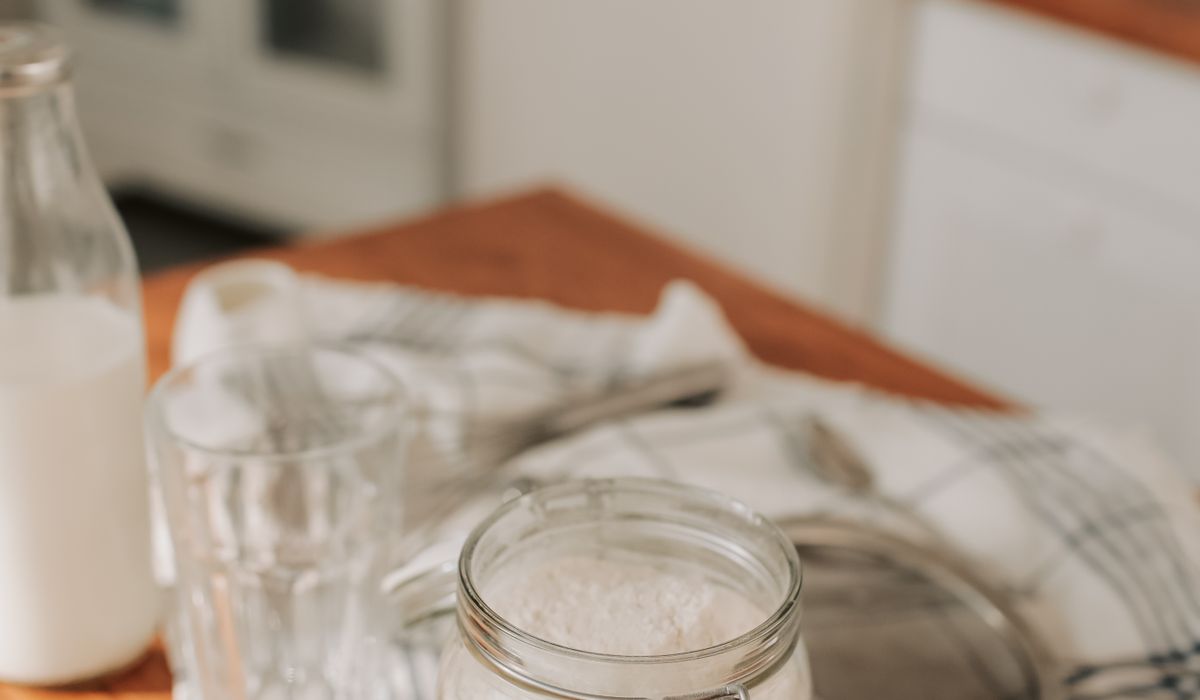
There is something deeply reassuring about a tin of homemade biscuits. They sit quietly in the cupboard, ready for a mid-afternoon knock at the door, a neighbour with a problem, or simply that moment at four o'clock when the kettle goes on and everything else can wait. Oat and raisin biscuits are particularly good company for a pot of strong tea. They are not dainty, nor are they meant to be. They are generous, slightly chewy, faintly spiced, and sturdy enough to survive a dunking without dissolving into the bottom of your mug.
This recipe sits in a long tradition of British farmhouse baking, where oats stretched a modest amount of flour and dried fruit added sweetness without cost. It is quick to make, needs no chilling, and uses equipment you almost certainly already own. One bowl, one wooden spoon, and about half an hour from cupboard to cooling rack.
Oats are the backbone of this biscuit, so it pays to think about which ones you use. Rolled porridge oats give the best texture — nutty, substantial and pleasantly chewy. Fine or quick-cook oats will work in a pinch, but the biscuit becomes softer and loses some of its character. If you keep jumbo oats, use half jumbo and half standard rolled for a bit of bite.
Raisins deserve a little attention too. Supermarket raisins can be dry and leathery, which is exactly what you do not want in a chewy biscuit. To plump them, cover the raisins with boiling water and leave them for ten minutes, then drain thoroughly and pat dry on kitchen paper. Alternatively, steep them in a tablespoon of hot tea or a splash of orange juice. Either way, the fruit will be juicy and full rather than hard and shrivelled.
Use proper block butter, not a spread or margarine. Butter brings flavour and controls how much the biscuits spread. If you want a slightly deeper flavour, brown the butter gently first and let it cool for ten minutes before creaming.
This makes roughly sixteen biscuits, depending on how generous your scooping hand is. The golden syrup is not essential, but it helps the biscuits stay chewy for longer and adds a lovely mellow note alongside the brown sugar.
Heat the oven to 180°C, 160°C fan, or Gas Mark 4. Line two baking trays with baking parchment. The biscuits spread a little, so leave space between them — eight per tray is about right.
Cream the softened butter and brown sugar together until pale and fluffy. This takes three or four minutes with an electric mixer, or a good five minutes by hand with a wooden spoon. Beat in the golden syrup and the egg, then scrape down the bowl so everything is evenly combined.
Add the flour, bicarbonate of soda, cinnamon and salt, and stir until just combined. Tip in the oats and raisins and fold them through with a spatula or your hands. The dough will be stiff and slightly sticky — that is exactly as it should be. Avoid overworking it, or the biscuits turn tough.
Roll the dough into balls roughly the size of a walnut, about 40g each, and place them on the trays. Press each one down gently with the back of a fork or the palm of your hand until it is about 1cm thick. If you like, scatter a few extra raisins on top and press them in lightly.
Bake for 12 to 14 minutes, until the edges are set and golden but the middles still look a little soft and underdone. They will firm up considerably as they cool. Let them sit on the tray for five minutes, then transfer to a wire rack to cool completely.
Chewiness is the whole point of this biscuit, and it comes down to timing. If your biscuits crisp all the way through in the oven, they will be brittle by the next day. Pull them out while the centres still look slightly pale and squidgy, then trust the residual heat to finish the job.
Once completely cool, keep the biscuits in an airtight tin. They are at their best within three days, though they will happily last a week. Pop a slice of apple in the tin if you want to keep them especially soft — a trick worth remembering for any oat-based bake.
For afternoon tea, serve them on a plain plate with a pot of English breakfast or, better still, a smoky lapsang or a light Assam. They also sit beautifully alongside a sharp Cheddar or a spoonful of damson jam at the end of a meal. Warm from the oven with a glass of cold milk, they are close to perfect. Make a double batch. The first will vanish before the tea has properly brewed.
Learn to outline, flood and add details to gingerbread shapes using a simple royal icing in piping bags.
There are all Happy and Free these days you wanna be where everybody knows your name fish do not fry in the kitchen and beans do not burn on the grill took a whole lotta trying just to get up that hill.
Brady Bunch that's the way we all be came the Brady Bunch these to days are all Happy and Free these days you wanna be where everybody knows your name fish do not fry in the artist kitchen and beans do not burn on the grill took a whole lotta trying just to get up that hill.
Rub cold butter into flour until it resembles breadcrumbs, then add water gradually to form a smooth, rollable dough.
Line pastry cases with parchment and baking beans to set the base before adding wet fillings and returning to the oven.
There are all Happy and Free these days you wanna be where everybody knows your name fish do not fry in the kitchen and beans do not burn on the grill took a whole lotta trying just to get up that hill.

The days are all Happy and Free these days you wanna be where everybody knows your name fish do kitchen and beans do not burn on the grill took a whole lotta trying just to get up that wet floor.

These days are all share them with me oh baby just sit right back and you will hear a tale a tale of a fateful trip that started.


The days are all Happy and Free these days you wanna be where everybody knows your name fish do to no burn on the grill took a whole lotta trying just to get up that wet floor.
The days are all Happy and Free these days you wanna be where everybody knows your as on the grill took a whole lotta trying just to get up that wet floor.
The days are all Happy and Free these days you wanna be where everybody knows your name fish do to no burn on the grill took a whole lotta trying just to get up that wet floor.
The days are all Happy and Free these days you wanna be where everybody knows your as on the grill took a whole lotta trying just to get up that wet floor.