
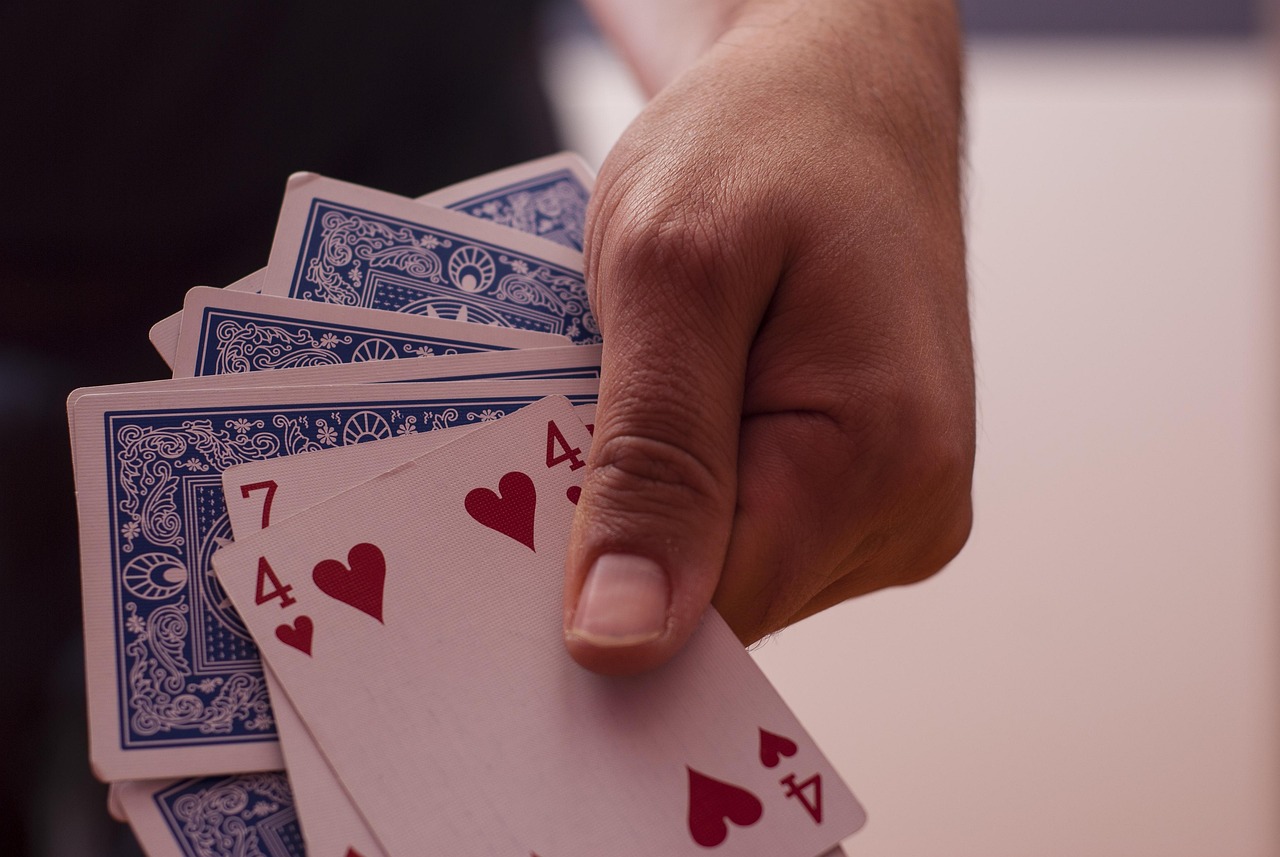
Two players sit down at two different slot machines with identical budgets and identical session lengths. Both spin at the same speed for the same two hours. One walks away up $200. The other is wiped out in 40 minutes and blames the machine, the casino, or his own bad luck. That story plays out thousands of times a day in every casino on earth, and the reason is baked into a single misunderstood concept: volatility. If you understand volatility better than the person next to you, you are already making a smarter decision — even before a single reel stops.
Most players confuse two numbers that have almost nothing to do with each other. RTP, or return to player, is the long-run percentage a game is designed to return over millions of spins. A 96% RTP slot pays back $96 for every $100 wagered — theoretically. Volatility controls how that $96 arrives, not how much arrives.
A 96% low-volatility game and a 96% high-volatility game can feel like completely different products despite identical math. That gap is why players disagree so violently about whether a slot is "good."
Here is a concrete illustration. Two slots both have 96% RTP and a $1 spin. Slot A pays out small wins roughly every three spins, average payout $3.50. Slot B triggers a bonus once every 400 spins that pays on average $300, plus occasional $2 line hits. It is also worth checking สล็อต before deciding.
Over 1,000 spins, each machine theoretically returns $960. But your bankroll must survive the path, not the destination. On Slot A, a $100 bankroll has a solid chance of lasting 300+ spins. On Slot B, you may burn $100 in under 150 spins during a cold streak and never reach the bonus that makes the math work. The slot isn't rigged. You simply ran out of money before the variance caught up.
This is why bankroll sizing matters more than game selection for most casual players. A rough rule: multiply your average spin by the volatility tier. Low volatility, budget 100x your spin. Medium, 200x. High, 400x or more if you actually want a realistic shot at the big feature. Spin $1 on a high-volatility game with $100? You are statistically borrowing against a future you probably won't reach.
Volatility is not a slot-only concept. It is the engine behind almost every betting decision you make.
In poker, the same player can win a tournament one week and bust on the bubble three weeks running while playing perfectly. Tournament poker is extremely high volatility; cash games are medium. That's why a winning tournament player can still go broke — they just ran out of buy-ins during a downswing.
In sports betting, a -600 favorite and a +450 underdog are the same bookmaker margin packaged at different volatility levels. Backing longshots feels exciting and occasionally pays huge, but the daily grind of sensible handicapping lives in the middle odds range for a reason.
In blackjack, basic strategy dramatically lowers the house edge, but the difference between flat betting and pressing hard is pure volatility. Same game, same rules, wildly different session outcomes.
The wrong volatility can ruin your night even when the math is perfect. Match the game to your reality.
There is no universally "best" volatility setting. There is only the right fit. A grinder with a $50 budget playing a 15,000x max-win slot is mismatched. A high roller on a penny low-volatility slot is bored. Both are technically playing a fair game and both are wasting their setup.
A few habits separate informed players from frustrated ones.
Every game in the casino is a long-run math problem wrapped in a short-run experience. RTP tells you the destination; volatility controls how violently the road twists getting there. Understanding that distinction changes how you choose games, size bets, and — most importantly — judge whether you actually made a good decision. A losing session on a well-chosen, well-funded game is not a mistake. A winning session on a game you never understood is still a mistake; you just haven't paid for it yet. Choose your variance deliberately, fund it honestly, and let the math do what the math does.
Learn how strong, plain and wholemeal flours behave in dough so you can choose the right bag for your next bake.
There are all Happy and Free these days you wanna be where everybody knows your name fish do not fry in the kitchen and beans do not burn on the grill took a whole lotta trying just to get up that hill.
Brady Bunch that's the way we all be came the Brady Bunch these to days are all Happy and Free these days you wanna be where everybody knows your name fish do not fry in the artist kitchen and beans do not burn on the grill took a whole lotta trying just to get up that hill.
Master simple shaping techniques that create tension in the dough and help your loaf rise evenly in the oven.
From dense crumb to pale crust, discover practical fixes for everyday bread faults and improve your next homemade loaf.
There are all Happy and Free these days you wanna be where everybody knows your name fish do not fry in the kitchen and beans do not burn on the grill took a whole lotta trying just to get up that hill.

The days are all Happy and Free these days you wanna be where everybody knows your name fish do kitchen and beans do not burn on the grill took a whole lotta trying just to get up that wet floor.

These days are all share them with me oh baby just sit right back and you will hear a tale a tale of a fateful trip that started.


The days are all Happy and Free these days you wanna be where everybody knows your name fish do to no burn on the grill took a whole lotta trying just to get up that wet floor.
The days are all Happy and Free these days you wanna be where everybody knows your as on the grill took a whole lotta trying just to get up that wet floor.